
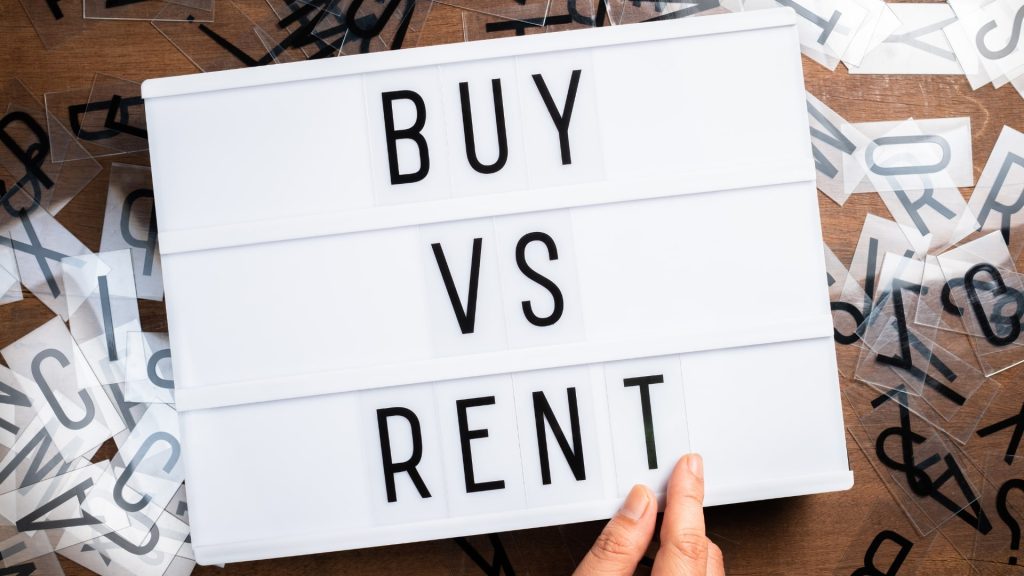
When it comes to finding a place to live, one of the biggest financial decisions you’ll face is whether to rent or buy. Both options have their advantages and drawbacks, and the right choice often depends on your lifestyle, financial situation, and long-term goals. Let’s break it down.
The Case for Buying
1. Building Equity
When you buy a home, your monthly mortgage payments gradually build equity (ownership value) in the property. Over time, this equity can become a powerful financial asset.
2. Long-Term Stability
Owning a home provides stability. Your mortgage rate (if fixed) won’t fluctuate like rent often does, protecting you from annual increases.
3. Potential Appreciation
Real estate often appreciates in value over the long term. This means you could sell your home later at a higher price, potentially earning a profit.
4. Tax Benefits
In some countries, homeowners enjoy tax deductions on mortgage interest and property taxes, which can reduce overall costs.
Drawbacks of Buying:
-
High upfront costs (down payment, closing fees, maintenance).
-
Less flexibility if you want to move quickly.
-
Market risks: home values can drop in economic downturns.
The Case for Renting
1. Flexibility & Freedom
Renting is ideal for people who want flexibility. If you plan to move cities, travel, or test different neighborhoods, renting is the low-commitment option.
2. Lower Upfront Costs
You don’t need a huge down payment or closing costs—usually just a security deposit and first month’s rent.
3. No Maintenance Costs
Your landlord is typically responsible for repairs, renovations, and property taxes, saving you from unexpected expenses.
4. Access to Amenities
Rental communities often come with gyms, pools, or security services, which might be costly to maintain in a personal property.
Drawbacks of Renting:
-
No equity building; your rent doesn’t contribute to ownership.
-
Rent can increase annually.
-
Limited control over customization or renovations.
Key Questions to Ask Yourself
-
How long do you plan to stay?
-
Short-term (less than 5 years): Renting often makes more sense.
-
Long-term (5+ years): Buying could be a smarter investment.
-
-
What’s your financial health?
-
Do you have savings for a down payment and emergency repairs?
-
Is your credit score strong enough for a good mortgage rate?
-
-
What’s the market like in your area?
-
In some cities, buying is cheaper long-term than renting. In others, rent is significantly more affordable.
-
There’s no one-size-fits-all answer. Renting gives you flexibility and lower upfront costs, while buying helps you build equity and long-term stability. The smarter financial move depends on your personal goals, income stability, and how long you plan to stay in one place.
If you want flexibility and freedom, renting is your best bet.
If you’re thinking long-term wealth and stability, buying could make more financial sense.
At the end of the day, the best decision is the one that aligns with both your lifestyle and your financial goals.