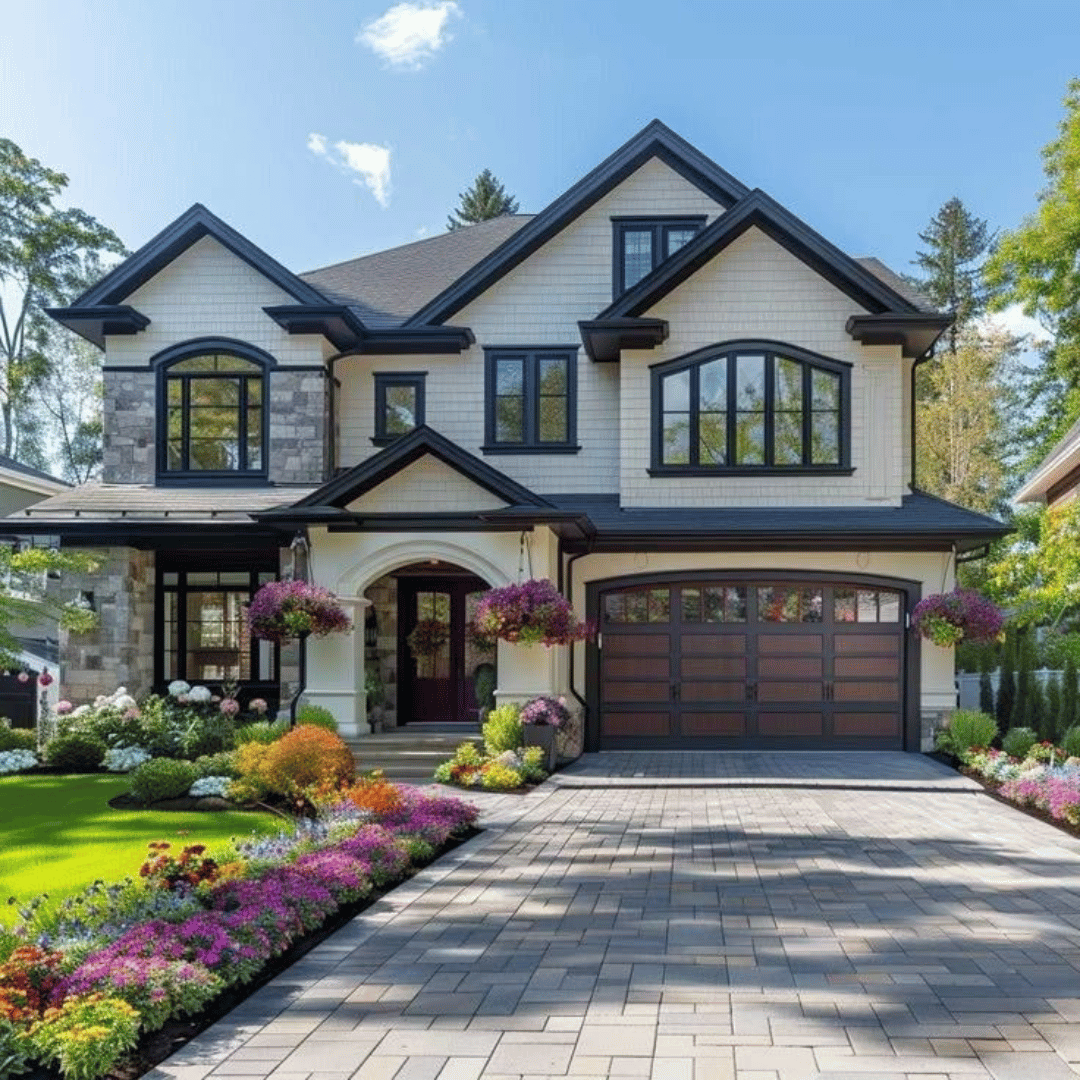


Buying a home is one of the biggest financial and emotional decisions you will ever make. With countless listings, attractive photos, and persuasive agents, it’s easy to feel overwhelmed. But one strategy can simplify the entire process—creating a clear “Needs vs. Wants” list. This list not only saves time but also ensures you choose a home that fits your lifestyle, budget, and long-term goals.
In this article, we break down how to build the perfect needs-and-wants checklist, why it matters, and how it helps you make a smart home-buying decision.
Why You Need a Needs and Wants List
A home purchase is more than choosing four walls—it’s about choosing comfort, convenience, and a future lifestyle. Without clarity, buyers often:
-
Overspend due to emotional decisions
-
Get confused between multiple properties
-
Ignore practical considerations
-
Regret the purchase later
A needs/wants list helps you stay focused, organized, and confident while evaluating any property.
What Are “Needs” in Home Buying?
Needs are non-negotiable essentials—features your home must have to support your daily life. These are practical, functional, and often related to safety, family structure, or health.
Common Home-Buying Needs
-
Budget suitability and EMI affordability
-
Safe location with low crime rate
-
Required number of bedrooms
-
Required number of bathrooms
-
Proximity to work, school, or hospitals
-
Essential amenities like water supply, power backup, parking
-
Legal compliance with clear titles and approvals
What Are “Wants” in Home Buying?
Wants are features you would love to have, but they are not mandatory. These often depend on lifestyle preferences.
Common Home-Buying Wants
-
Modern interiors like modular kitchen or false ceiling
-
Amenities like gym, swimming pool, clubhouse
-
Park-facing or premium view units
-
Extra storage or walk-in wardrobes
-
Smart home features
-
Landscaped or green surroundings
-
Premium flooring and finishes
How to Create Your Personal Needs & Wants List
1. Understand Your Lifestyle
Think about your routine and family’s daily needs.
2. Evaluate Your Budget Honestly
Keep a realistic budget that covers hidden costs as well.
3. Consider Future Requirements
Think of life changes expected in the next 5–10 years.
4. Divide Your List Into Two Columns
| Needs (Must-Haves) | Wants (Nice-to-Haves) |
|---|---|
| 2–3 Bedrooms | Swimming Pool |
| Gated Security | Balcony View |
| Nearby Schools | Clubhouse |
| Car Parking | Rooftop Area |
| Legal Clear Title | Wooden Flooring |
5. Prioritize Your Wants
Rank wants from most important to least important.
6. Compare Every Property Against the List
Choose a home that checks all Needs, and as many Wants as possible.
Benefits of Using a Needs vs. Wants List
Reduces Confusion
Clear priorities help you avoid distractions.
Saves Time
Shortlisting becomes faster.
Keeps You Within Budget
Prevents emotional overspending.
Helps in Negotiation
You know what is essential and what isn’t.
Aligns Family Decisions
Everyone understands the priorities clearly.
Common Mistakes to Avoid
-
Mixing emotional and practical needs
-
Ignoring maintenance or hidden charges
-
Choosing fancy amenities over location
-
Selecting bigger size over good layout
-
Forgetting resale value
Buying a home becomes much easier when you know exactly what you need and what you want. A Needs and Wants list acts as your roadmap, helping you make a balanced and confident decision. Start creating your list today to make your home-buying journey smoother and smarter.