
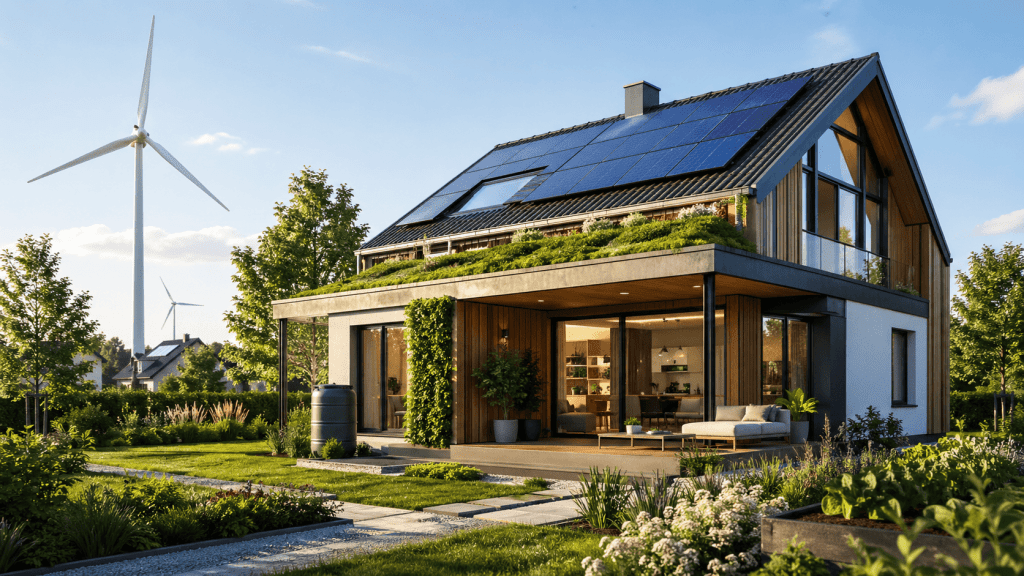
Sustainable housing—also known as green housing—is rapidly reshaping the Canadian real estate market. As climate concerns grow and energy costs rise, homeowners, builders, and investors are increasingly prioritizing eco-friendly homes. From energy-efficient construction to smart home technology, green housing trends are no longer niche—they are becoming the new standard in Canada’s housing sector.
What Is Sustainable Housing?
Sustainable or green housing refers to homes designed to reduce environmental impact while improving energy efficiency, water conservation, and indoor living quality. These homes use eco-conscious materials, renewable energy systems, and innovative designs to minimize carbon footprints.
Key features often include:
- Energy-efficient insulation and windows
- Solar panels and renewable energy systems
- Smart thermostats and energy monitoring systems
- Water-saving fixtures
- Sustainable building materials (recycled wood, low-VOC paint)
Top Green Housing Trends in Canada
1. Net-Zero Homes
Net-zero homes produce as much energy as they consume over a year. In Canada, this trend is growing due to government incentives and rising energy costs. Builders are integrating solar power, advanced insulation, and heat recovery systems to achieve net-zero performance.
2. Energy-Efficient Building Standards
Programs like the ENERGY STAR® certification and R-2000 standards are becoming more common in new Canadian homes. These standards ensure lower energy consumption and improved indoor air quality.
3. Smart Home Technology Integration
Smart thermostats, lighting systems, and energy monitoring apps allow homeowners to track and reduce energy usage. This trend is especially popular in urban areas like Toronto and Vancouver.
4. Sustainable Building Materials
Builders are shifting toward eco-friendly materials such as:
- Recycled steel and wood
- Bamboo flooring
- Low-carbon concrete alternatives
- Non-toxic insulation materials
This reduces environmental impact during construction and improves long-term sustainability.
5. Green Retrofits in Older Homes
Instead of building new homes, many Canadians are upgrading existing properties with energy-efficient improvements:
- Replacing old windows with triple-pane glass
- Installing heat pumps
- Adding better insulation
- Upgrading HVAC systems
Government rebates often support these upgrades.
6. Rise of Passive Houses
Passive houses are designed to maintain comfortable indoor temperatures with minimal heating or cooling. These homes use airtight construction, high-performance windows, and heat recovery ventilation systems.
7. Electric and Low-Carbon Heating Systems
Traditional gas heating is being replaced with:
- Electric heat pumps
- Geothermal heating systems
- Hybrid energy systems
This shift significantly reduces greenhouse gas emissions in Canadian households.
Government Support for Green Housing in Canada
The Canadian government actively promotes sustainable housing through:
- Grants for energy-efficient renovations
- Tax incentives for green home upgrades
- Net-zero home construction programs
- Provincial rebates for heat pumps and insulation upgrades
These incentives make eco-friendly housing more accessible to homeowners and developers.
Benefits of Green Housing
Sustainable homes offer multiple advantages:
Environmental Benefits
- Reduced carbon emissions
- Lower energy consumption
- Conservation of natural resources
Financial Benefits
- Lower utility bills
- Higher property resale value
- Eligibility for rebates and incentives
Health Benefits
- Better indoor air quality
- Reduced exposure to toxins
- Improved comfort and temperature control
Future of Green Housing in Canada
The future of Canadian real estate is strongly aligned with sustainability. Over the next decade, experts expect:
- Most new homes to meet net-zero or near net-zero standards
- Increased adoption of renewable energy systems
- Stronger government regulations on emissions
- Wider use of AI-driven smart home energy systems
As climate policies tighten, sustainable housing will shift from a trend to a requirement.
Sustainable housing is transforming Canada’s real estate landscape. With advancements in energy-efficient construction, smart home technology, and government support, green homes are becoming more practical and desirable than ever. Whether you’re a homeowner, investor, or builder, embracing eco-friendly housing trends is not just a responsible choice—it’s a smart long-term investment.