
As sustainability becomes a priority for homeowners, green homes are gaining popularity across Canada. From lower utility bills to improved indoor air quality, eco-friendly homes promise long-term savings and environmental benefits. However, many buyers wonder whether these advantages justify the higher purchase price.
In 2026, with energy costs remaining a concern and governments encouraging energy-efficient housing, buying a green home has become a smart consideration for many Canadians. This guide explores the costs, benefits, and long-term value of green homes to help you decide if they’re worth the investment.
What Is a Green Home?
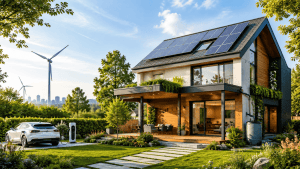
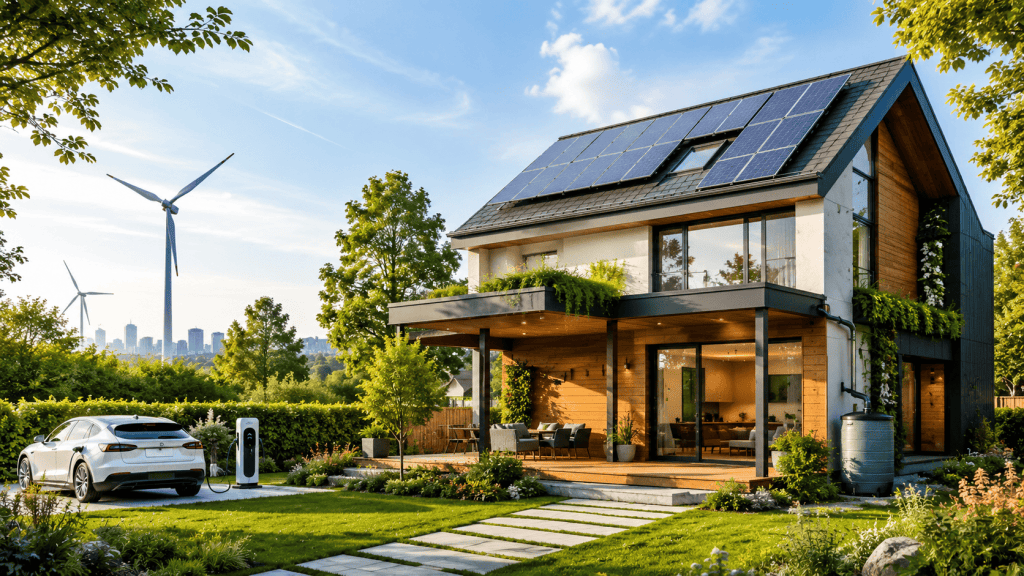
A green home is designed and built to minimize energy consumption, reduce environmental impact, and create a healthier living environment. These homes use advanced construction techniques, efficient appliances, and sustainable materials to improve performance while lowering operating costs.
Common features include:
- High-performance insulation
- Triple-pane energy-efficient windows
- Smart thermostats
- Energy-efficient HVAC systems
- LED lighting
- Solar panels
- Low-flow plumbing fixtures
- ENERGY STAR® appliances
- Electric vehicle (EV) charging capability
Why Are Green Homes Becoming Popular in Canada?
Several factors are driving demand for eco-friendly homes:
- Rising electricity and heating costs
- Government incentives for energy efficiency
- Increased environmental awareness
- Better indoor comfort
- Higher resale demand
- Growing focus on reducing carbon emissions
As more Canadians prioritize sustainability, green homes are becoming an attractive long-term investment.
Advantages of Buying a Green Home
1. Lower Monthly Utility Bills
One of the biggest benefits is reduced energy consumption. Better insulation, efficient heating systems, and energy-saving appliances can significantly lower electricity and natural gas costs.
Homeowners may save thousands of dollars over the life of the property.
2. Greater Energy Efficiency
Modern green homes waste far less energy than older houses.
Features like airtight construction, heat recovery ventilation systems, and energy-efficient windows help maintain comfortable indoor temperatures throughout Canada’s harsh winters.
3. Improved Indoor Air Quality
Green homes often use:
- Low-VOC paints
- Better ventilation systems
- Air filtration
- Moisture control technologies
These features help create healthier living spaces and reduce allergens.
4. Reduced Maintenance Costs
New green homes typically include modern construction materials and high-quality systems that require fewer repairs during the first several years.
5. Higher Property Value
As energy efficiency becomes more important, buyers increasingly look for sustainable homes.
Many experts believe green-certified properties may enjoy stronger resale demand compared to conventional homes.
Disadvantages of Green Homes
Higher Purchase Price
The biggest drawback is the upfront cost.
Green homes often cost between 5% and 15% more than comparable traditional homes due to premium materials and advanced technology.
Longer Payback Period
Although utility savings accumulate over time, buyers may need several years before recovering the additional upfront investment.
Maintenance of Advanced Systems
Some technologies, such as solar panels or smart energy management systems, may require specialized maintenance or occasional upgrades.
Green Home Certifications in Canada
When shopping for an eco-friendly home, look for recognized certifications such as:
- ENERGY STAR® for New Homes
- Net Zero Ready
- Net Zero Homes
- LEED Certification
- Built Green Canada
These certifications indicate the home meets established energy-efficiency and environmental standards.
Cost Comparison
| Feature | Traditional Home | Green Home |
|---|---|---|
| Purchase Price | Lower | Higher |
| Utility Bills | Higher | Lower |
| Energy Efficiency | Moderate | Excellent |
| Indoor Air Quality | Standard | Better |
| Maintenance | Moderate | Lower (Initially) |
| Environmental Impact | Higher | Lower |
| Resale Appeal | Good | Excellent |
Are Green Homes Worth the Extra Cost?
For many Canadian buyers, the answer is yes—especially if you plan to own the home for several years.
The combination of:
- Lower monthly expenses
- Increased comfort
- Better energy performance
- Potentially higher resale value
- Reduced environmental impact
can outweigh the higher initial purchase price over time.
However, buyers should compare:
- Purchase price
- Expected utility savings
- Available government incentives
- Future maintenance costs
- Long-term ownership plans
before making a decision.
Who Should Buy a Green Home?
Green homes are ideal for:
- First-time buyers planning long-term ownership
- Families seeking lower monthly expenses
- Environmentally conscious homeowners
- Buyers interested in smart home technology
- Investors looking for properties with strong future appeal
Tips Before Buying a Green Home
Before purchasing, consider these steps:
- Request an energy performance report.
- Verify the home’s green certification.
- Compare annual utility costs with similar properties.
- Ask about warranty coverage for energy systems.
- Check eligibility for rebates or incentive programs.
- Hire a qualified home inspector familiar with energy-efficient homes.
Green homes may come with a higher upfront cost, but they often deliver significant long-term value through lower utility bills, improved comfort, healthier indoor environments, and stronger resale potential. As Canada continues to prioritize energy efficiency and sustainability, investing in a green home could prove to be both a financially and environmentally responsible decision.
If you’re planning to buy a home in 2026, compare the total cost of ownership—not just the purchase price—to determine whether a green home aligns with your lifestyle, budget, and future goals.