
A property lease is one of the most important concepts in the real estate industry. Whether you are a landlord, tenant, or investor, understanding how property leases work can help you make better financial and legal decisions. This article explains the meaning, types, benefits, and key terms of a real estate property lease in simple terms.
What Is a Property Lease?
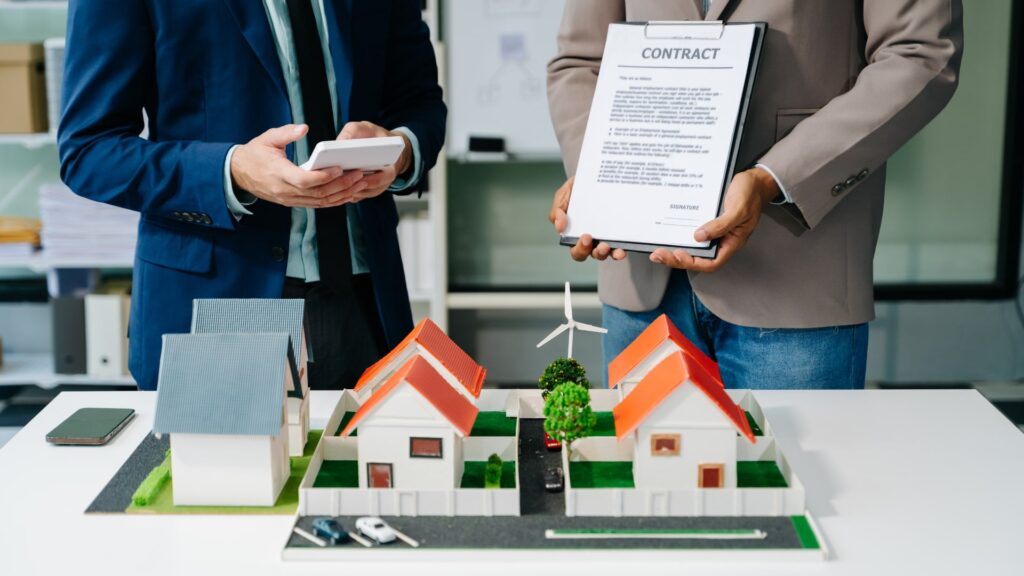
A lease is a legal agreement between a property owner (called the lessor or landlord) and another person or company (called the lessee or tenant) who wants to use the property for a specific time period in exchange for rent or payment.
In simple terms, leasing means using someone else’s property without owning it.
Example:
A person renting a flat for 11 months signs a lease agreement with the landlord — that’s a property lease.
Key Elements of a Lease Agreement
A valid property lease generally includes:
-
Parties involved: Owner and tenant details
-
Property details: Address, area, and description
-
Lease duration: How long the lease will last (e.g., 11 months, 3 years)
-
Rent amount: Monthly or yearly rent payment
-
Security deposit: Refundable amount held by the owner
-
Maintenance terms: Who is responsible for repairs and upkeep
-
Termination clause: Conditions under which the agreement can be ended
Types of Property Leases
-
Residential Lease – Used for homes, apartments, or flats. Usually short-term (6–12 months).
-
Commercial Lease – Used for offices, shops, or business spaces. Often long-term (3–9 years).
-
Industrial Lease – For factories, warehouses, or manufacturing units.
-
Ground Lease – Tenant leases land and builds on it, but the land ownership remains with the lessor.
Advantages of Leasing Property
For Tenants:
-
No need for large capital investment.
-
Flexibility to move or upgrade easily.
-
Fixed rent helps manage expenses.
For Landlords:
-
Regular and stable rental income.
-
Property ownership remains intact.
-
Can increase rent periodically.
Important Clauses to Check Before Signing a Lease
-
Rent escalation clause: How and when rent can increase.
-
Renewal terms: Whether the lease can be extended easily.
-
Subletting rules: If the tenant can rent out to someone else.
-
Maintenance liability: Who pays for damage or repairs.
-
Exit clause: Notice period required for ending the lease.
Lease vs. Rent: What’s the Difference?
| Aspect | Lease | Rent |
|---|---|---|
| Duration | Fixed term (months or years) | Flexible, often month-to-month |
| Agreement Type | Legal contract | Informal or short agreement |
| Stability | Long-term commitment | Short-term stay |
| Legal Protection | More formal and binding | Less formal |
Why Leasing Is Important in Real Estate
Property leases play a key role in the real estate sector by:
-
Generating steady income for property owners.
-
Providing space flexibility for businesses and families.
-
Supporting urban development and infrastructure.
In commercial real estate, leasing is often a long-term partnership that ensures stability for both tenants and property investors.
A property lease is a win–win arrangement that benefits both landlords and tenants when handled properly. Understanding lease terms, conditions, and rights helps avoid disputes and ensures transparency.
Before signing any lease agreement, always read the terms carefully or consult a real estate expert to ensure your financial and legal interests are protected.