
In today’s fluctuating real estate market, many potential homeowners are rethinking whether buying a property is the best option. While homeownership has long been considered a key milestone in financial security, renting offers flexibility, lower upfront costs, and fewer long-term risks. In this article, we explore why renting might be the smarter choice in 2025–2026.
Rising Home Prices and Affordability Challenges
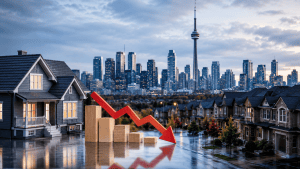
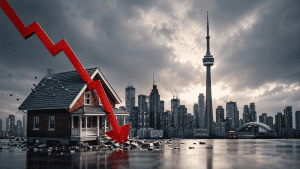
Home prices in major cities have been rising steadily over the past few years. In some areas, price appreciation has outpaced wage growth, making it difficult for first-time buyers to enter the market. Renting allows individuals and families to live in desirable locations without locking themselves into a high mortgage or large down payment.
For example, a 20–30% down payment on a property can be a substantial financial burden, whereas renting only requires a security deposit and monthly rent.
High Mortgage Rates and Financing Issues
Mortgage rates have been fluctuating, and in 2025, many borrowers face higher interest rates than in previous years. Higher rates mean higher monthly mortgage payments, increasing the overall cost of owning a home.
Renting offers a predictable monthly expense, allowing tenants to manage their budgets without worrying about variable mortgage rates or unexpected interest spikes.
Flexibility and Mobility Advantages
One of the biggest advantages of renting is flexibility. Renters can move for a new job, pursue educational opportunities, or explore different neighborhoods without the hassle of selling a property.
For young professionals and families, this mobility can be invaluable, especially in a job market where opportunities may require relocation.
Maintenance and Hidden Costs of Homeownership
Owning a home comes with ongoing responsibilities that renters don’t have to worry about, including:
-
Repairs and maintenance (plumbing, electrical, roofing)
-
Property taxes and homeowners’ insurance
-
Homeowners’ association (HOA) fees in some communities
Renters, on the other hand, typically have these costs covered by their landlord, reducing financial stress and unexpected expenses.
Access to Prime Locations Without Big Investment
Renting allows access to premium locations that may be otherwise unaffordable to buy. For instance, living in the heart of a city with top amenities, schools, and transport connections may be possible through renting even if purchasing a property there is out of reach.
This access also allows individuals to experience different neighborhoods before deciding where to buy in the future.
When Buying Still Makes Sense
While renting has its advantages, there are situations where buying is still a good option:
-
Long-term stability: If you plan to stay in one place for 5–10 years, buying may be more cost-effective.
-
Building equity: Mortgage payments contribute to owning an asset rather than paying rent.
-
Tax benefits: Some homeowners benefit from mortgage interest deductions or property tax deductions.
Even then, it’s crucial to weigh current market conditions, interest rates, and your financial situation before making a decision.
Renting offers significant advantages in today’s real estate market, including lower upfront costs, financial predictability, flexibility, and reduced responsibility for maintenance. For many individuals and families in 2025–2026, renting may be the smarter, more practical choice, especially given high home prices and fluctuating mortgage rates.
Ultimately, the decision between renting and buying depends on personal circumstances, financial goals, and lifestyle preferences. Evaluating the current market and understanding your needs will help you make an informed choice.